-

Real Good Is Simple
Marcus Aurelius argued the cardinal virtues (wisdom, self-control, justice, courage) are the only goods that never run out, never depreciate, and can't be taken from you. Everything we chase instead is scaffolding. A Stoic point with deep biblical echoes.
-

No Harm, No Foul
Marcus Aurelius on harm as a judgment we assign, not a fact we receive, and the honest line between naming a real injury and reflexively turning every setback into a wound. Paul works the same ground from Romans 8.
-

Reset
2,600 days of closed Apple Watch rings. The discipline that actually mattered was never the streak. It was the restart. Building the muscle that refuses to let one missed day write the story that ends the whole thing.
-

Spend Thrifts of Time
Seneca on the strange asymmetry: we guard our money and squander our time, though only one of them can't be replaced. Three symbols at the bottom of every email I send, built to filter what actually deserves any of what's left.
-

The Business of Busyness
Thoreau works the same ground as the Stoics: being busy is not the same as having a purpose. Three rules from a paper-mill manager in southeastern Ohio that still run how I judge my own busy thirty years later.
-

The Mind Is Its Own Place
Milton put the line in Satan's mouth as a warning. Marcus made the hopeful version. Paul calls it taking every thought captive. The mind is where your actual power lives, and the discipline is showing up to fight on it.
-

Very Little Is Needed
In Philippians 4:11, Paul borrows the Stoic word autarkēs but adds one word that changes everything: he had to learn it. The contentment he means is formed only by the circumstances most of us spend our lives avoiding.
-
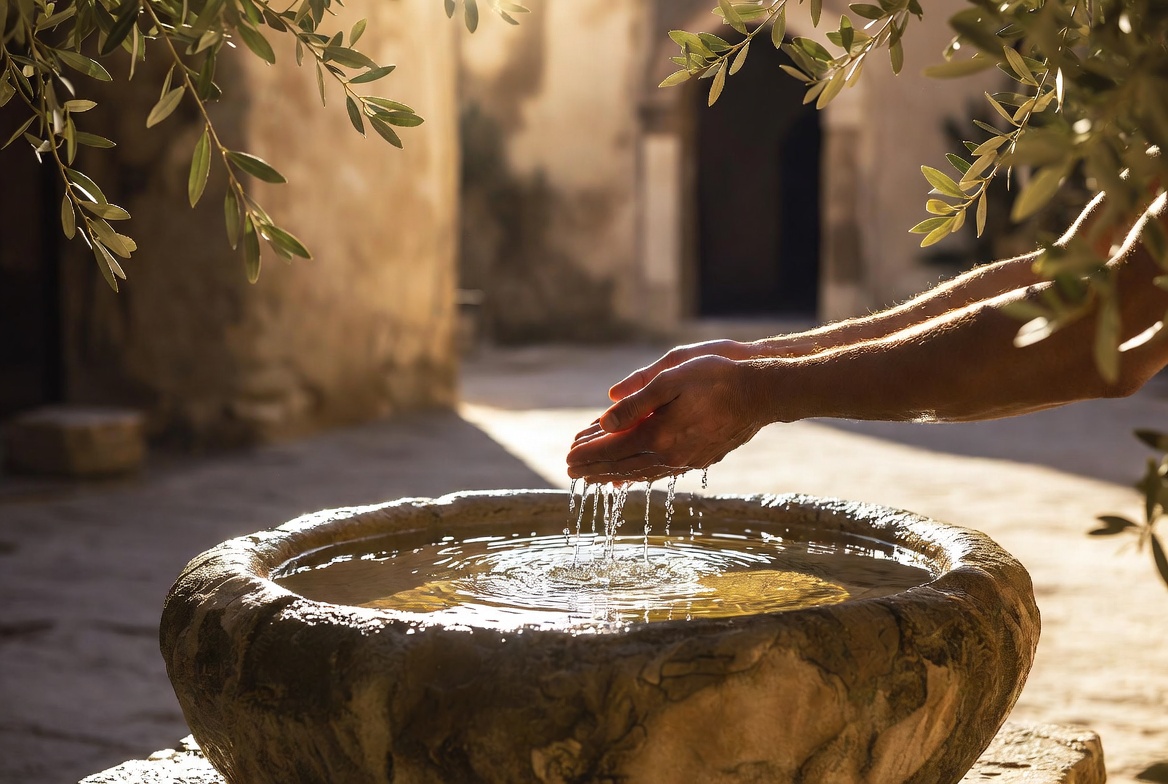
Washing Away the Dust of Life
Marcus Aurelius prescribes looking up at the stars to settle the dust of ordinary frustration. Not escapism but calibration: a deliberate reset of scale that puts the thing back in its real size. The Psalms make the same move.
-

What Makes a Happy Life
Marcus had everything Rome could give and warned himself, in private, that none of it was what makes a life. Most of what we call needs is scaffolding we've mistaken for the building, and the things we claim not to want are often just things we won't pay for yet.
-

You Are the Project
Epictetus was a slave. When he says focus on what's in your power, he speaks from the widest gap there is between control and circumstance. You are the project. But, Paul adds, not the only one working on it.
Favorites
Timelines


Command Centers


Search and Lookup





Printables


