-
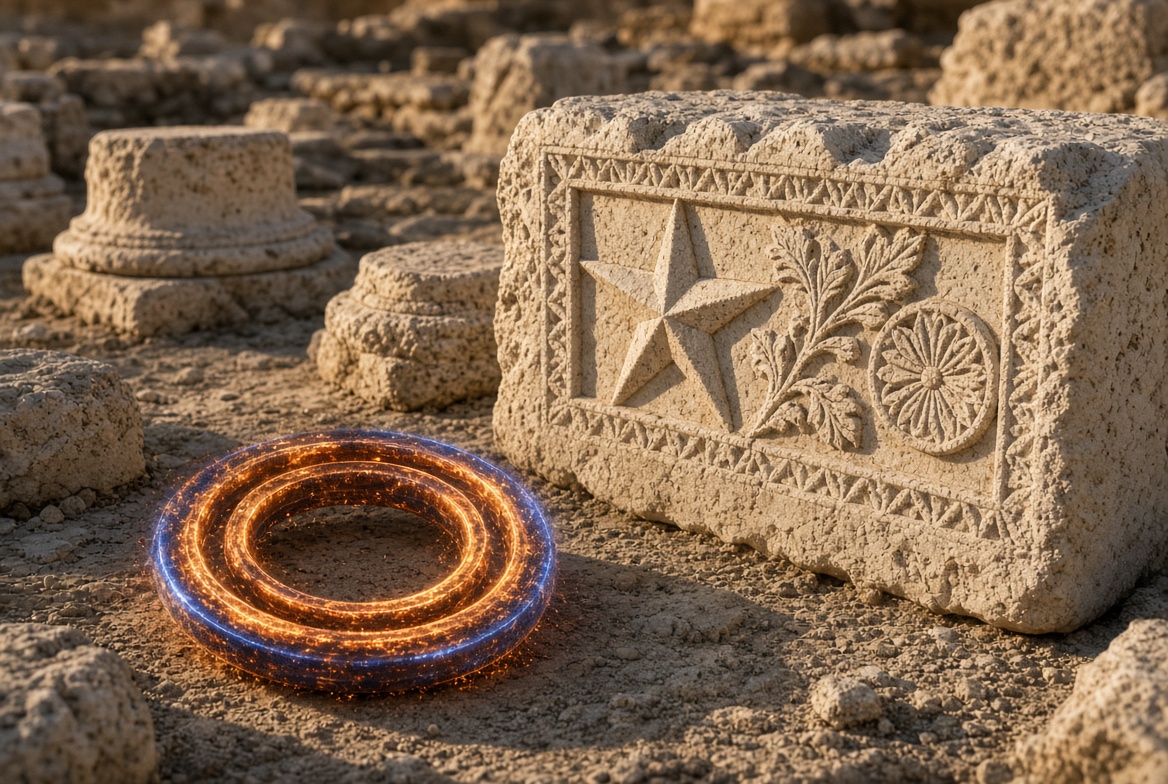
Symbols That Changed Sides: The Pentagram, the Seal of Solomon, and the Devil’s Wardrobe
A synagogue in Capernaum carved a pentagram, a six-pointed star, and a swastika into the same stone frieze. All three mean something else now. A follow-up to Guess My Names on how symbols change sides.
-

Guess My Names: Satan, the Nachash, Lucifer, and the Devil
Ask most Christians who the devil is and you get one composite figure built from five or six passages that were never written about the same thing, plus a costume from medieval art and nineteenth-century opera. Here is what each name actually is.
-
Where Is the Ark of the Covenant?
Raiders of the Lost Ark ends with the Ark crated up in a government warehouse, and every tradition has its own warehouse. Here is every serious claim about where the Ark is today, ranked by what actually backs it, and the verse in Jeremiah that nobody quotes because it tells you to stop looking.
-

The Gate That Was Never There
You have heard the sermon: a low postern gate in Jerusalem's wall called the Eye of the Needle, where a camel could squeeze through if you unloaded it and got it on its knees. There was no such gate. The claim shows up a thousand years after Jesus said the words, and tracing it turned out to be more interesting than debunking it.
-

The Tool Takes the Shape of the Hand
Socrates refused to write because he feared writing would let us stop remembering. Plato wrote anyway. We barely know Socrates because of it. The same argument is happening again with AI.
-
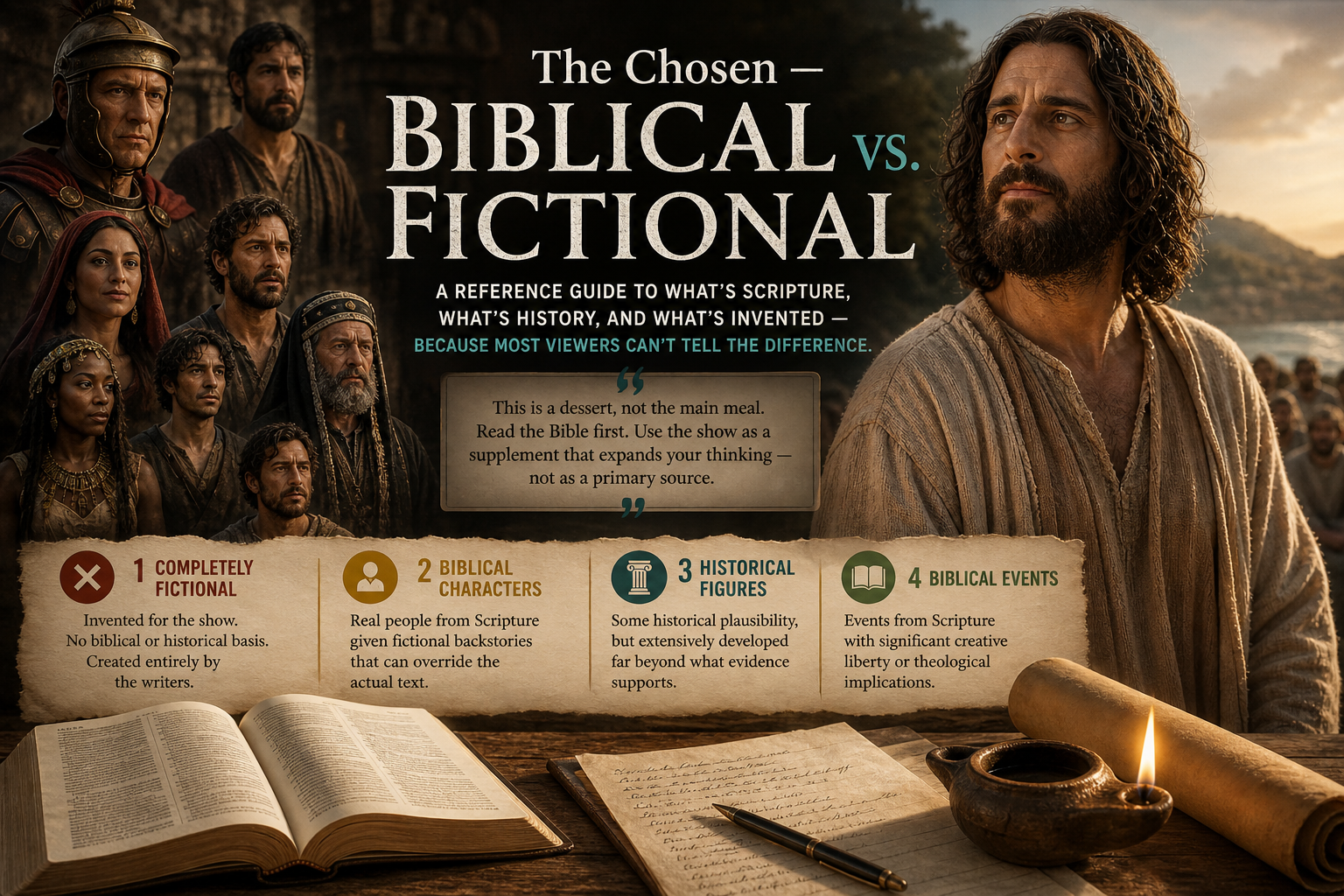
The Chosen: Biblical vs. Fictional Characters
The Chosen has reached more people with the biblical narrative than most films in a generation. A working inventory of which characters come from Scripture and which were invented for the screen.
-

ABBA, Father
You have probably heard a sermon claim that Abba means "Daddy." That idea traces back largely to Joachim Jeremias in the mid-twentieth century, and it has stuck in popular preaching ever since. But the case does not hold up, and what the word actually means is something heavier.
Favorites
Timelines


Command Centers


Search and Lookup





Printables


