-

The Ten Bridesmaids: Why They Would Not Share (16 of 26)
The wise refuse to share their oil, which cuts against everything else Jesus taught. What the oil actually stands for, and why it could never be lent.
-

The Parable of the Pounds and the Hated King (15 of 26)
Luke's version is not the Talents with different numbers. A delegation opposes the king, and the first hearers knew exactly which delegation that was.
-

The Tenants in the Vineyard: Squatters Rights (14 of 26)
The tenants murder the heir hoping to gain the estate, which sounds insane until you know what they were counting on. Why the owner sends his son alone.
-

The Workers in the Vineyard: A Fair Wage? (13 of 26)
The owner keeps going back to the market himself, in the heat, when he could send a manager. That detail is the parable, and it changes the complaint.
-

The Serving Master: The Parable of the Watching Servants (12 of 26)
The master comes home and waits on his own slaves at the table. Luke marks it with a formula he almost never uses, because the reversal is that startling.
-

The Persistent Widow and the Unjust Judge (11 of 26)
The judge is not a picture of God, he is the opposite of one, and the argument runs by contrast. A woman with no standing is the model being held up here.
-

The Two Builders: Why the Storm Hits Both (10 of 26)
Both houses take the same storm, which rules out the reading most people carry. What digging down to rock actually involved and what the foundation is.
-

The Good Samaritan: What the Parable Answers (9 of 26)
The lawyer asks who his neighbour is and never gets an answer, because the question itself was wrong. What the priest was actually weighing on that road.
-

Lazarus and the Rich Man: What It Teaches (8 of 26)
The parable used to build a map of the afterlife is not answering that question. What it is answering, and why the rich man never stops giving orders.
-
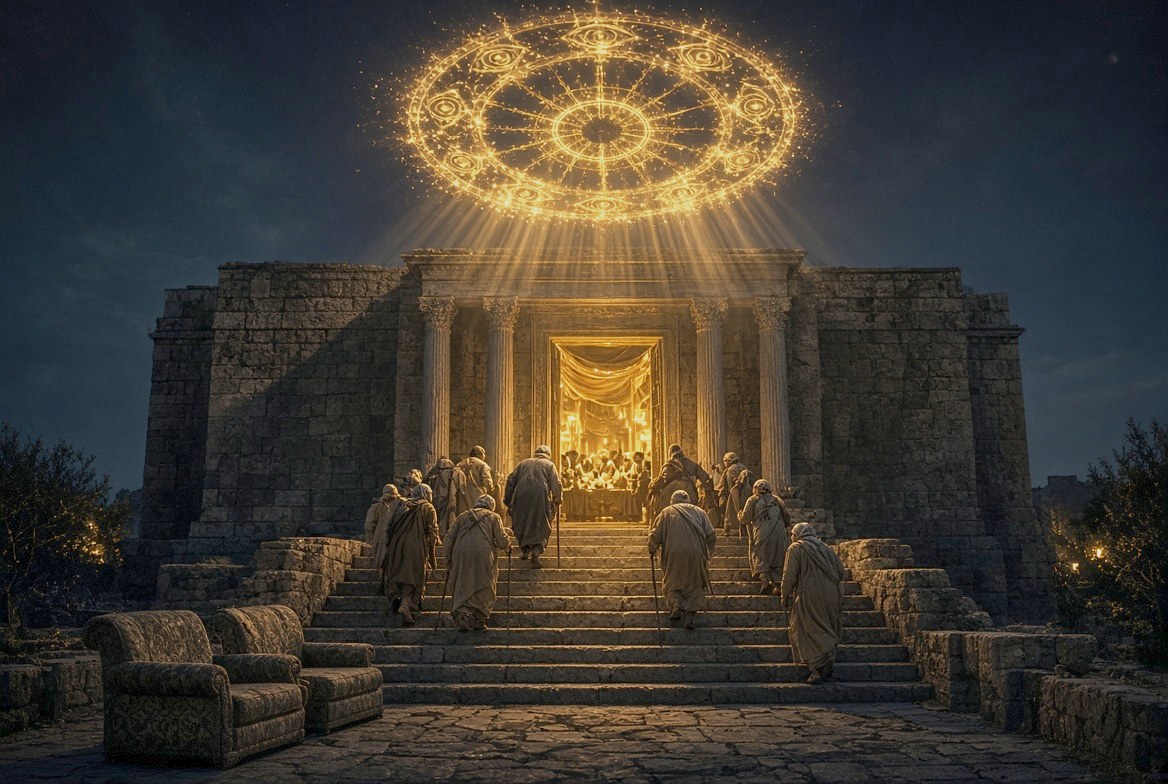
The Parable of the Great Banquet Explained (7 of 26)
Bailey reads the three excuses as a public insult; most commentators hear lame excuses. Why the guest list, not the excuses, answers a seven-hundred-year argument.
Favorites
Timelines


Command Centers


Search and Lookup


Printables


