-

How I Study the Bible
I am not a seminary graduate. What I have is a large library, years of reading, and forty years of wrestling with a God I could not fully explain. Here is how the work actually gets done.
-

Jephthah’s Study of Judges 11
Did Jephthah sacrifice his daughter or dedicate her to lifelong service? A full read of Judges 11: the outcast warrior, the rash vow, and the silence of God, working through Wilcock and Block on what the text actually says.
-
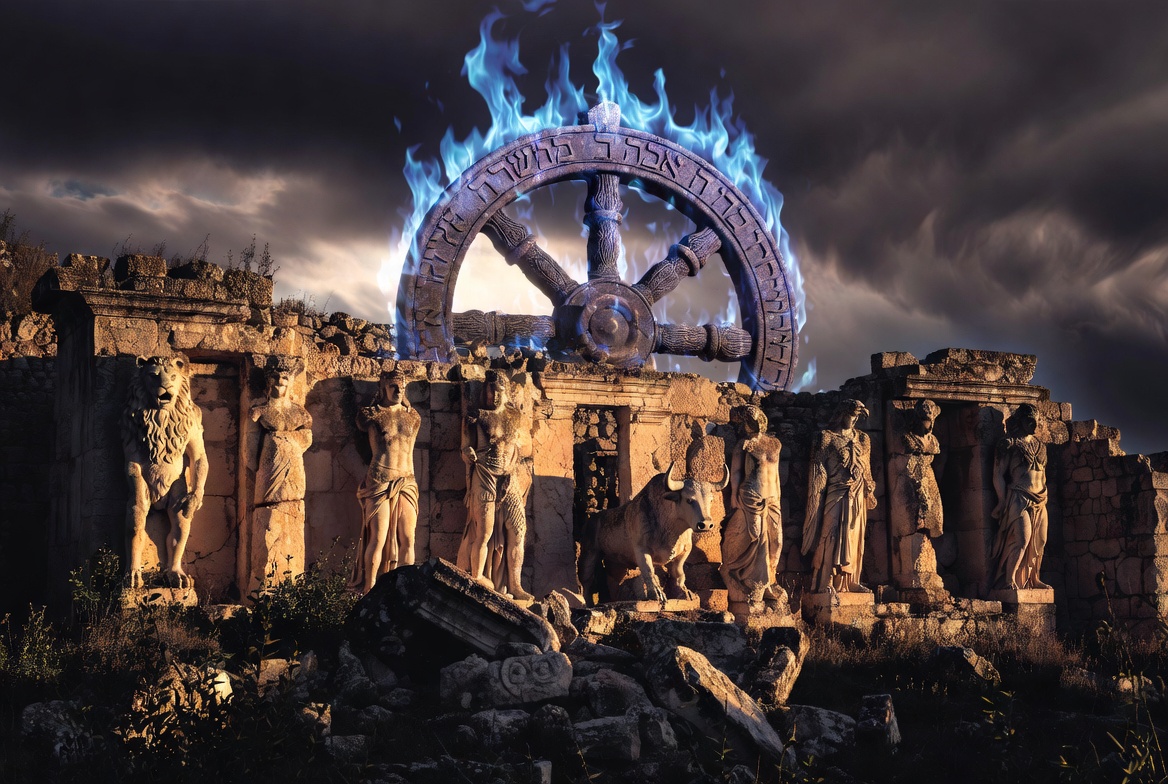
Lesser Gods of the Old Testament: Pagan Deities
The Old Testament names dozens of rival gods: Baal, Asherah, Molech, Dagon, the Queen of Heaven, the host of heaven. A working reference to who they were and what each one claimed authority over, read through the Divine Council framework.
-

Moses at the Threshold: The Circumcision Crisis
Exodus 4:24-26 is one of the strangest passages in the Torah. Yahweh attacks Moses on the road to Egypt, and Zipporah stops it with a flint knife and a covenant act. A divine council reading of why the household had to come first, and where the Hebrew refuses to settle.
-

The Ten Plagues of Egypt
The plagues weren't weather events or just political pressure. Heiser reads Exodus 7-12 as a divine-council confrontation, with Yahweh dismantling the religious order of Egypt and exposing its gods as powerless, judgment building toward the final Passover night.
-
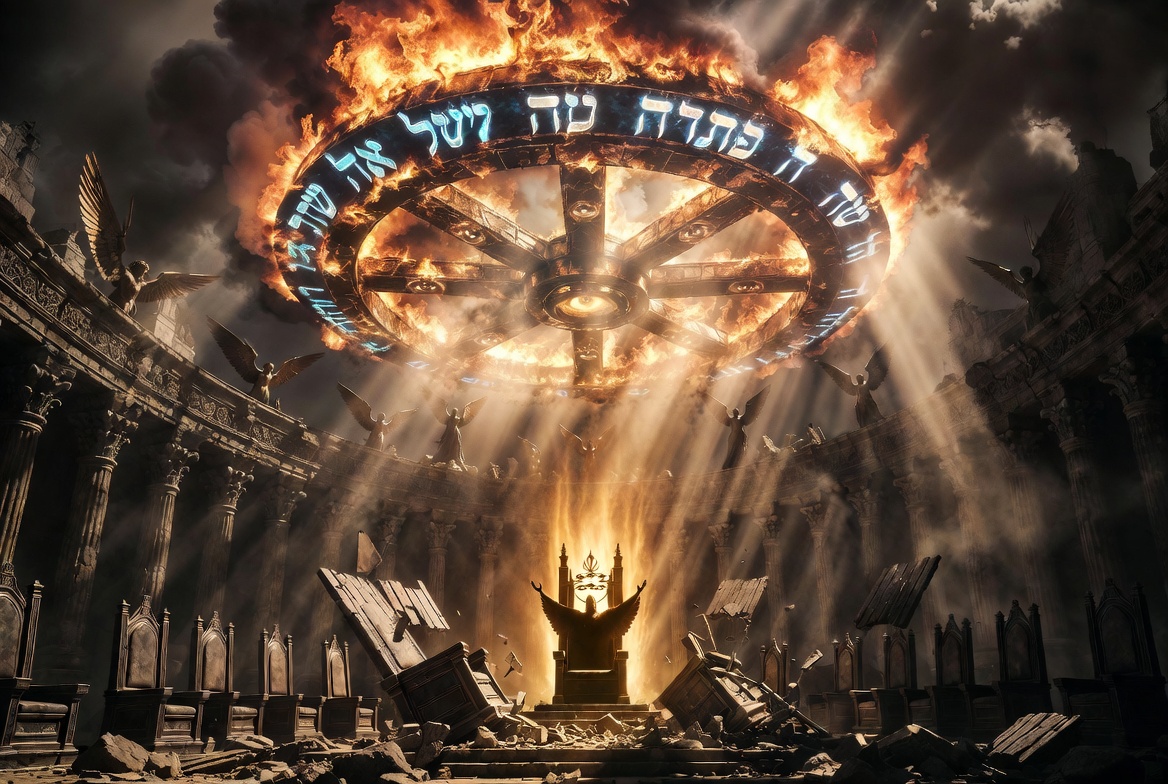
Divine Council Inventory: Heavenly Beings and Fallen Entities
The Old Testament presents a populated heavenly realm: beings of various ranks, roles, and alignments operating within Yahweh's cosmic order. In Heiser's divine council framework, these are real entities with assigned functions, some faithful, some in rebellion.
-

Judges 17–18: Micah, Dan, and the Idol
Idolatry in Judges 17-18 starts in one man's house with stolen silver, moves into the priesthood when a Levite takes a paycheck, and ends with a whole tribe running a rival shrine at Dan. A study of the appendix to Judges, read with Block and the divine council framework.
-

ABBA, Father
You have probably heard a sermon claim that Abba means "Daddy." That idea traces back largely to Joachim Jeremias in the mid-twentieth century, and it has stuck in popular preaching ever since. But the case does not hold up, and what the word actually means is something heavier.
Favorites
Timelines


Words and Translation


People, Places and Powers


The World Behind the Text




Claims and Questions


One Book at a Time


Printables


