-

The Beatitudes: Blessed Is Not a Reward
Read as a checklist they become nine conditions to satisfy. What the word actually describes, and why poor in spirit means something specific in Isaiah.
-

Our Father: What Jesus Set Aside to Say It
He prayed in Aramaic rather than Hebrew and dropped the God of Abraham formula. Both choices did something, and one of them made every language usable.
-

Thy Kingdom Come and the Bread That Lasts
The prayer asks for the kingdom on earth, not for heaven after death. And the daily bread request may be asking about a different fear than we assume.
-

Forgive Us Our Debts and Deliver Us From Evil
The Aramaic word means debts and sins at once, so the choice English translators face was never in the original. And temptation is probably the wrong word.
-

Salt, Light and Fulfilling the Law
Not new metaphors. Israel was already called to be light to the nations, and Jesus is telling a specific people they are about to become what they were for.
-

Murder, Adultery and Oaths: The Hard Sayings
You have heard it said, but I say to you. Six times, each going past the act to the thing behind it. Why that is not simply a stricter code than the law.
-
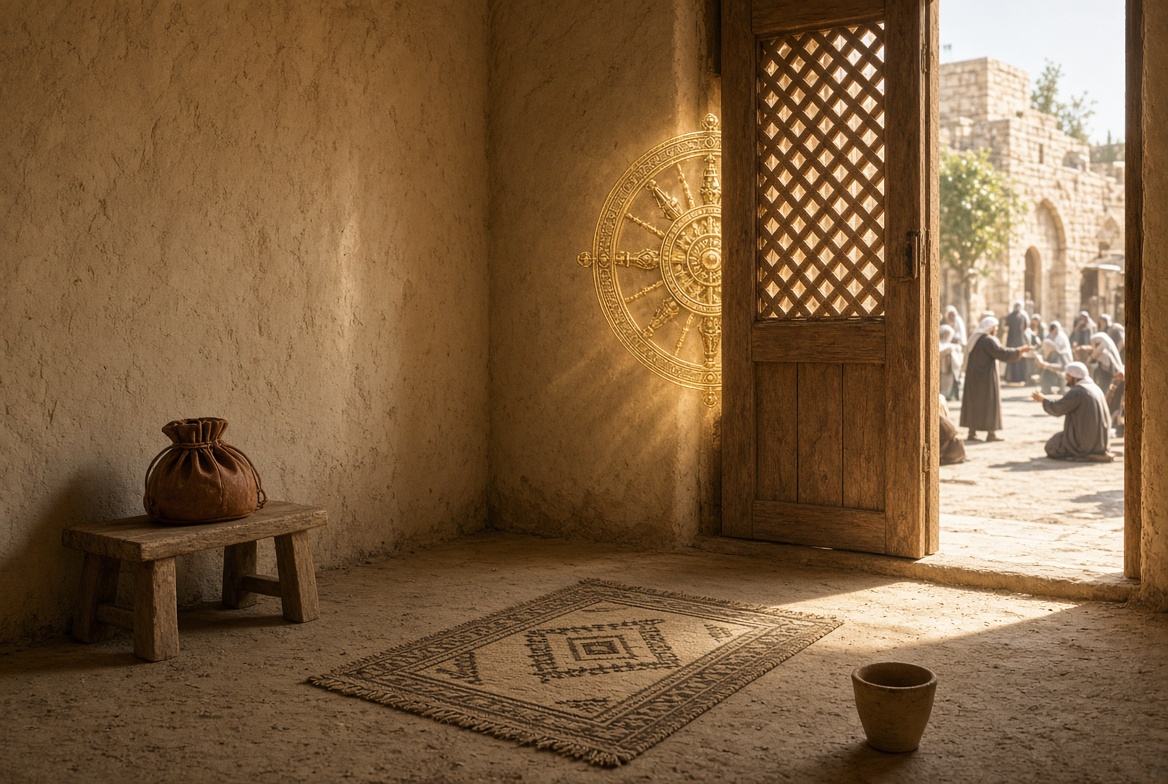
Piety in Secret and the Treasure Problem
Giving, prayer and fasting, each with the same warning attached. What the reward already received means, and why the audience decides the nature of the act.
-

Do Not Judge: What the Warning Actually Says
The most quoted verse in the sermon and the most misused. Wright reads the temptation to look down on others as a temptation to play God, which is acting.
-

The Narrow Gate and the House on the Rock
The sermon ends with a road, a warning about wolves, and a storm that hits both houses. What the two ways meant to people expecting a national deliverance.
Favorites
Timelines


Command Centers

Search and Lookup


Printables


