-

The Unforgiving Servant and the Impossible Debt (21 of 26)
Ten thousand talents was not a large debt, it was an unpayable one, and the second debt is real money. The gap between the two numbers is the parable.
-
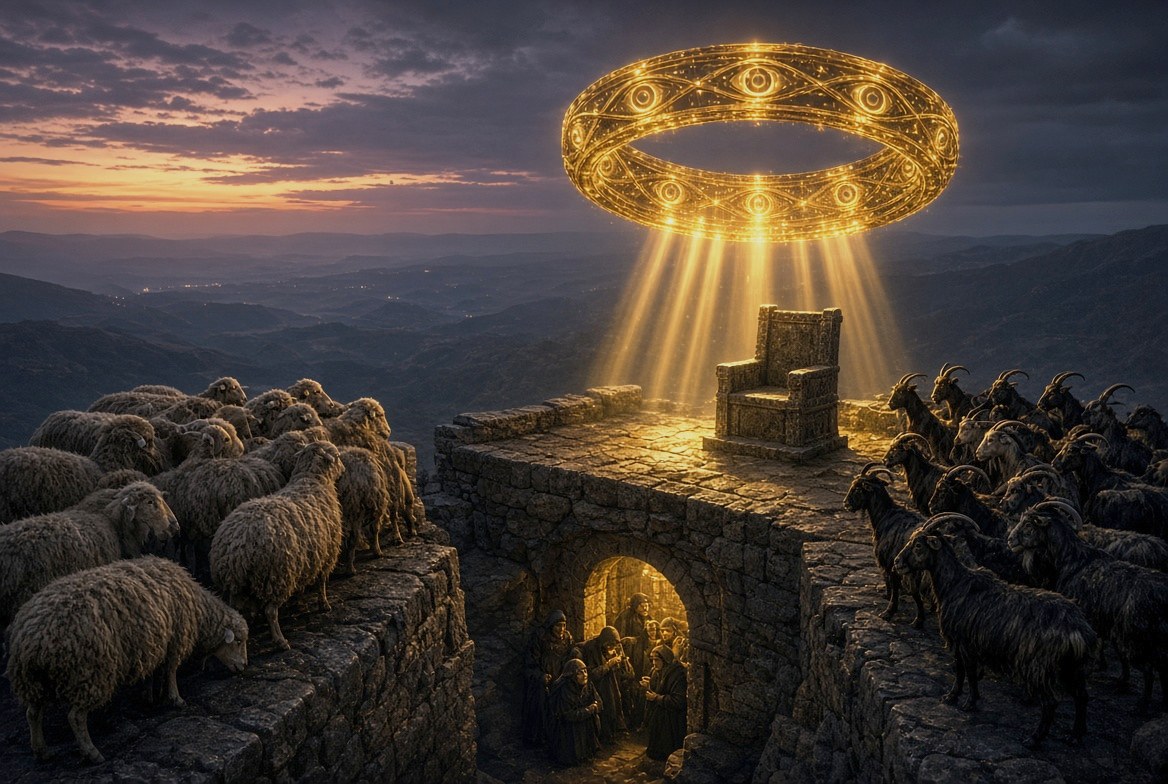
The Sheep and the Goats: Who Are the Brothers? (20 of 26)
Everything turns on the phrase the least of these my brothers, which Matthew has already defined elsewhere. That changes who is judged and on what basis.
-

The Prodigal Son: What the Village Was Waiting For (19 of 26)
The father runs to reach his son before the village does. A ceremony was waiting for a man who lost family land among Gentiles, and the embrace prevents it.
-
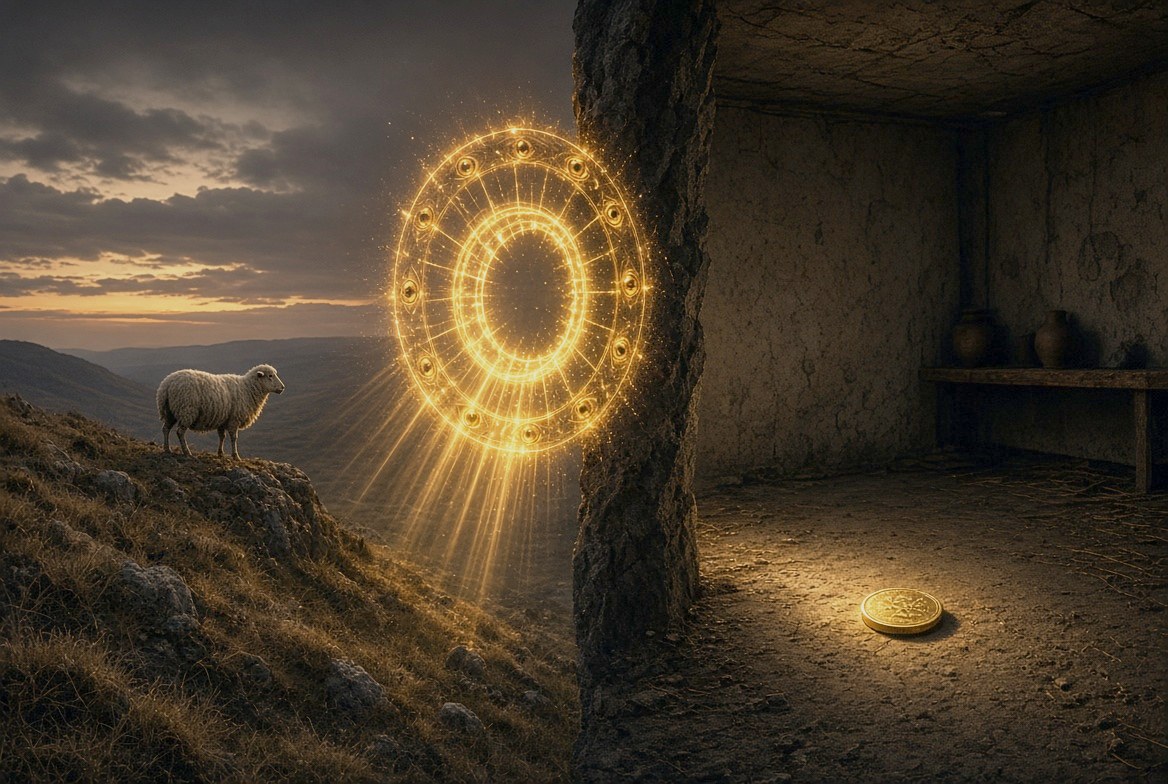
The Lost Sheep and the Lost Coin Explained (18 of 26)
Three parables in Luke 15 answer one complaint about eating with sinners, and reading them as separate lessons loses the argument they build together.
-
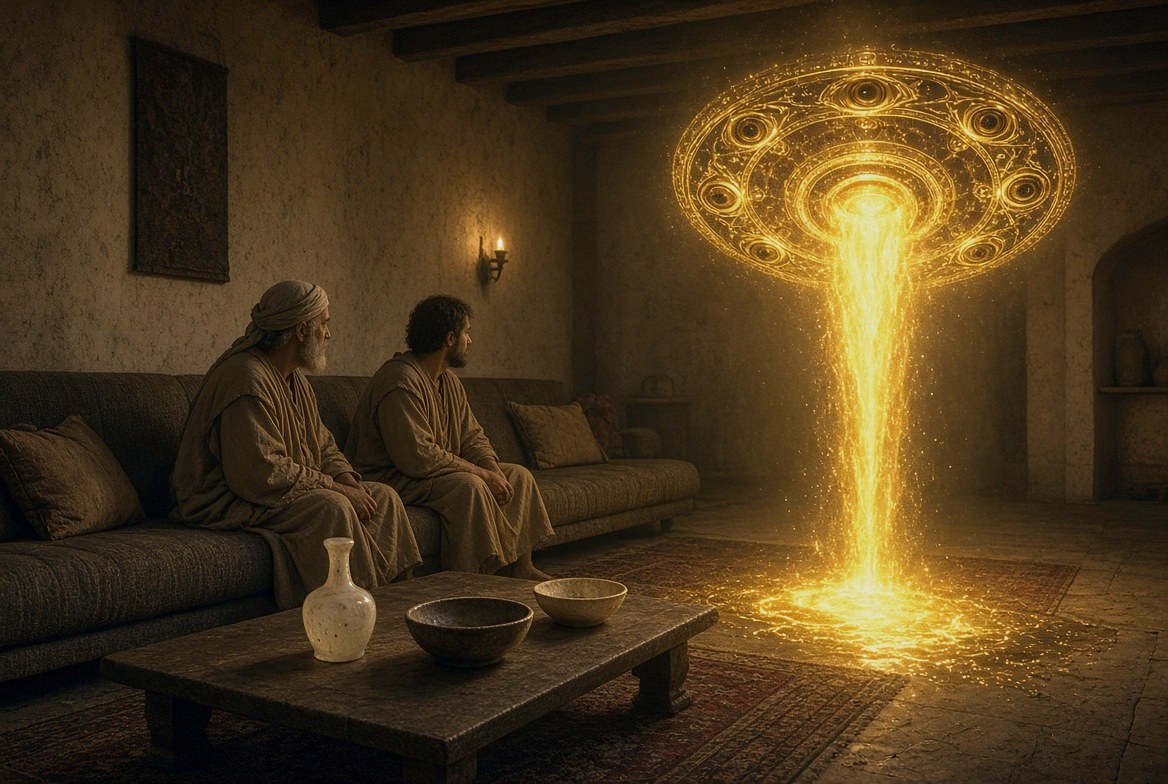
The Two Debtors and the Woman at Simon’s House (17 of 26)
Simon skipped every courtesy owed a guest, which was a calculated insult. Then a woman supplied all three of them, and the parable is aimed at the host.
-

The Ten Bridesmaids: Why They Would Not Share (16 of 26)
The wise refuse to share their oil, which cuts against everything else Jesus taught. What the oil actually stands for, and why it could never be lent.
-

The Parable of the Pounds and the Hated King (15 of 26)
Luke's version is not the Talents with different numbers. A delegation opposes the king, and the first hearers knew exactly which delegation that was.
-

The Tenants in the Vineyard: Squatters Rights (14 of 26)
The tenants murder the heir hoping to gain the estate, which sounds insane until you know what they were counting on. Why the owner sends his son alone.
-

The Workers in the Vineyard: A Fair Wage? (13 of 26)
The owner keeps going back to the market himself, in the heat, when he could send a manager. That detail is the parable, and it changes the complaint.
-

The Serving Master: The Parable of the Watching Servants (12 of 26)
The master comes home and waits on his own slaves at the table. Luke marks it with a formula he almost never uses, because the reversal is that startling.
Favorites
Timelines


Command Centers

Search and Lookup





Printables


