-

The Persistent Widow and the Unjust Judge (11 of 26)
The judge is not a picture of God, he is the opposite of one, and the argument runs by contrast. A woman with no standing is the model being held up here.
-

The Two Builders: Why the Storm Hits Both (10 of 26)
Both houses take the same storm, which rules out the reading most people carry. What digging down to rock actually involved and what the foundation is.
-
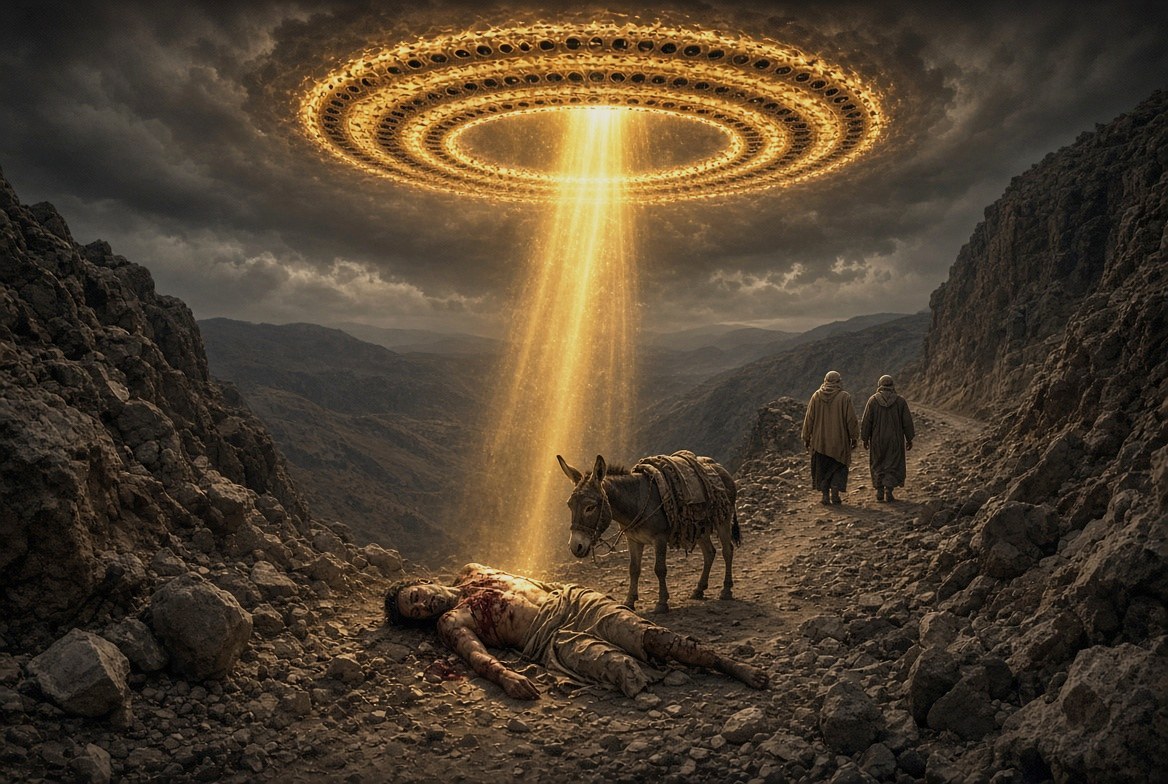
The Good Samaritan: What the Parable Answers (9 of 26)
The lawyer asks who his neighbour is and never gets an answer, because the question itself was wrong. What the priest was actually weighing on that road.
-

Lazarus and the Rich Man: What It Teaches (8 of 26)
The parable used to build a map of the afterlife is not answering that question. What it is answering, and why the rich man never stops giving orders.
-
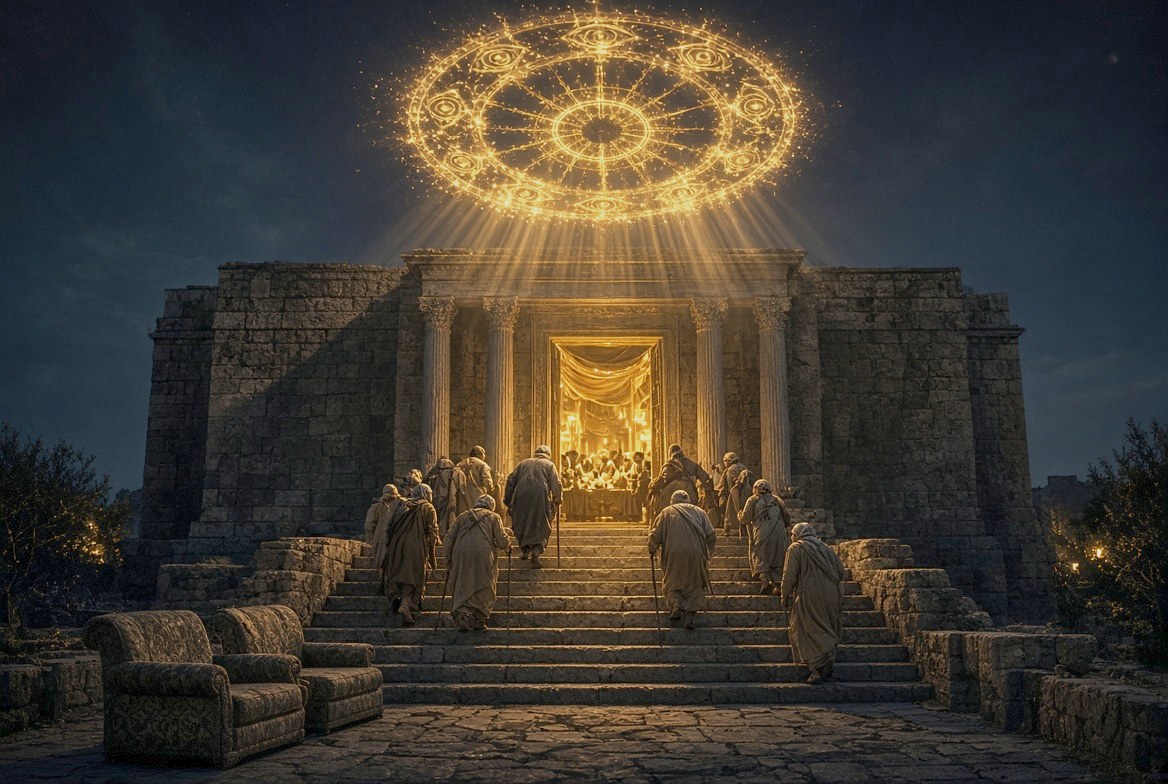
The Parable of the Great Banquet Explained (7 of 26)
Bailey reads the three excuses as a public insult; most commentators hear lame excuses. Why the guest list, not the excuses, answers a seven-hundred-year argument.
-
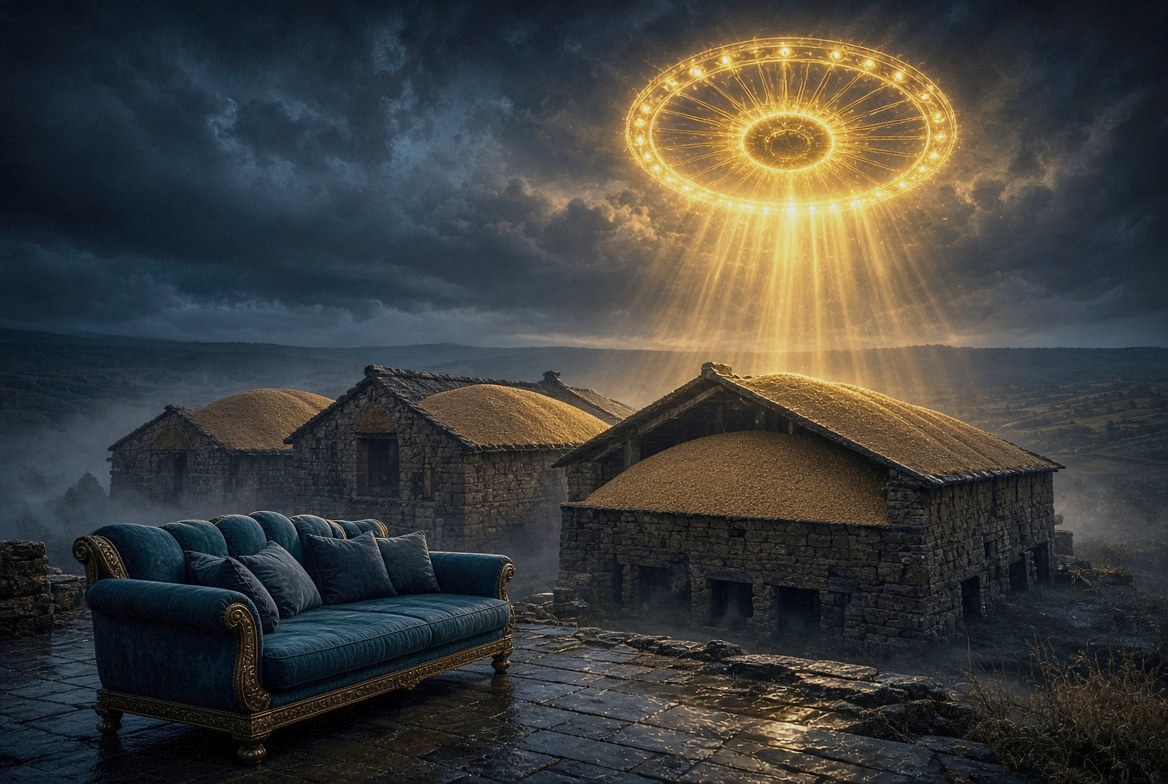
The Parable of the Rich Fool Explained (6 of 26)
Jesus refuses to answer a request for justice, which is startling until you see what he thought the request was a symptom of. Why he treats it as illness.
-

The Parable of the Unjust Steward Explained (5 of 26)
The hardest parable in the Gospels. A manager cheats his employer and gets praised for it, and Bailey's reading turns on a detail most translations bury.
-
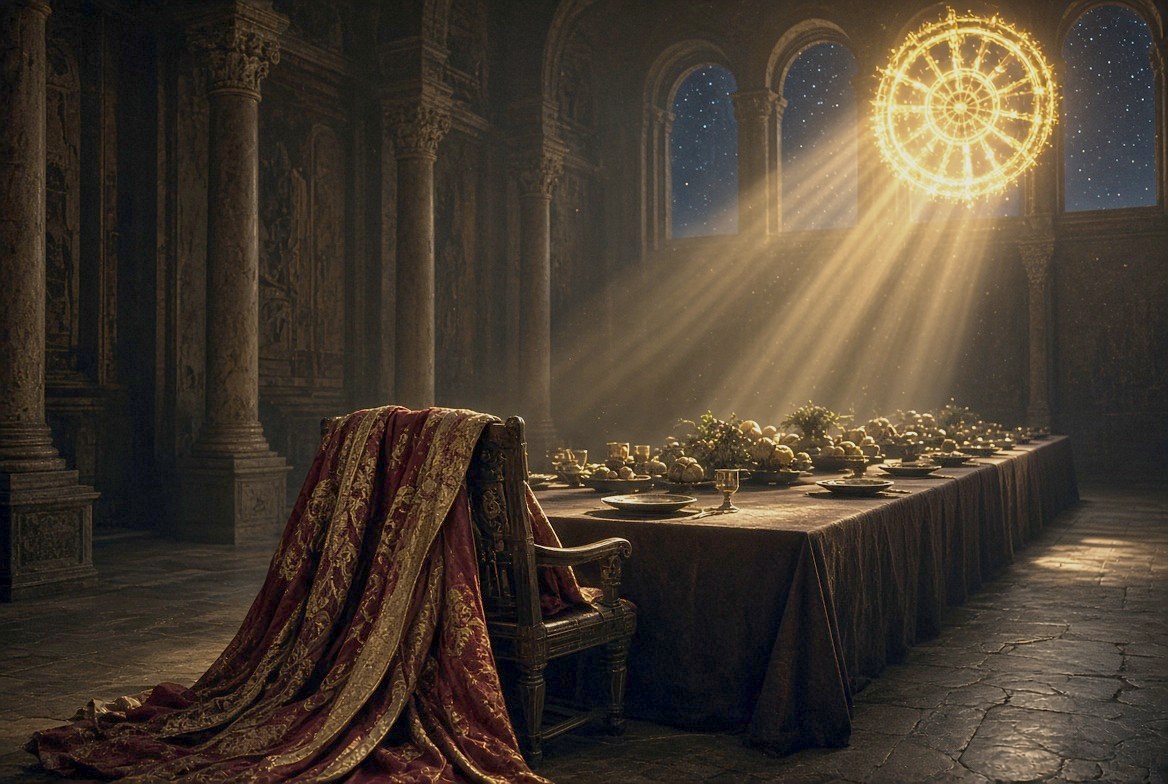
The Wedding Feast and the Man Without a Garment (4 of 26)
A man is dragged in off the street and then thrown out for what he is wearing. Why the ending is not arbitrary, and what the parable is actually answering.
-
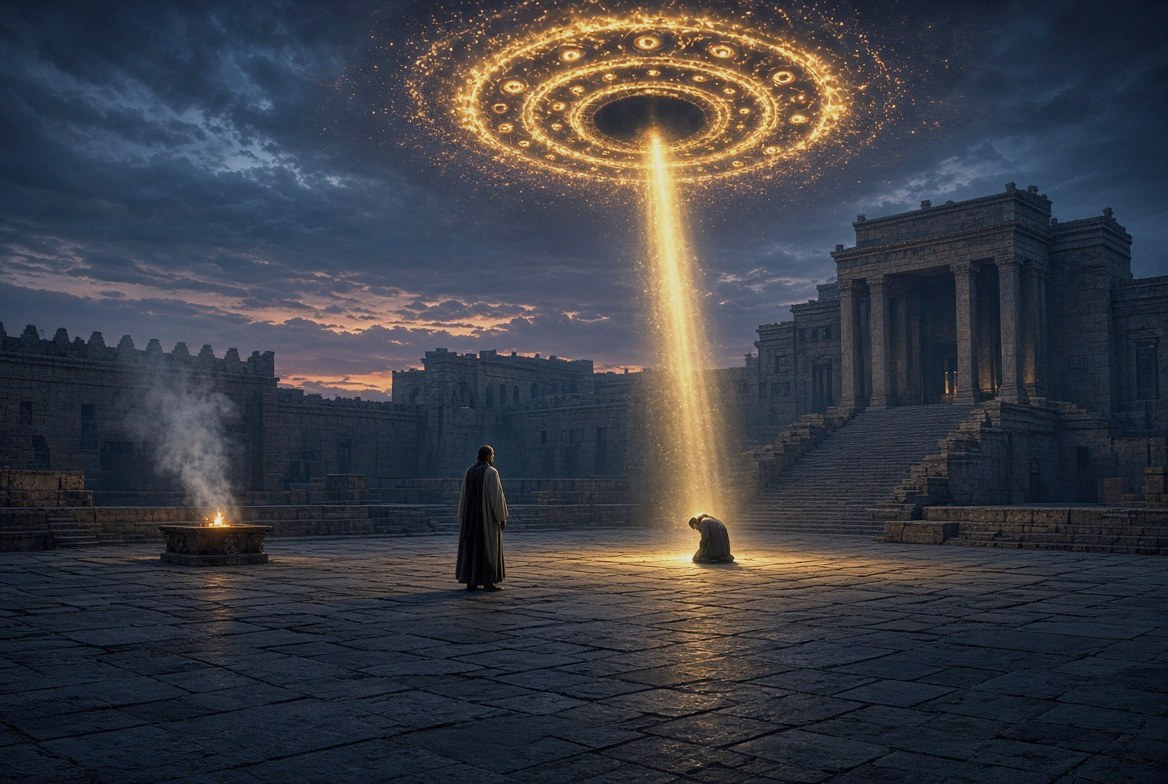
The Pharisee and the Tax Collector Explained (3 of 26)
The tax collector does not ask for mercy in the vague sense. He asks for atonement, and the temple sacrifice is burning behind him at the moment he says it.
-
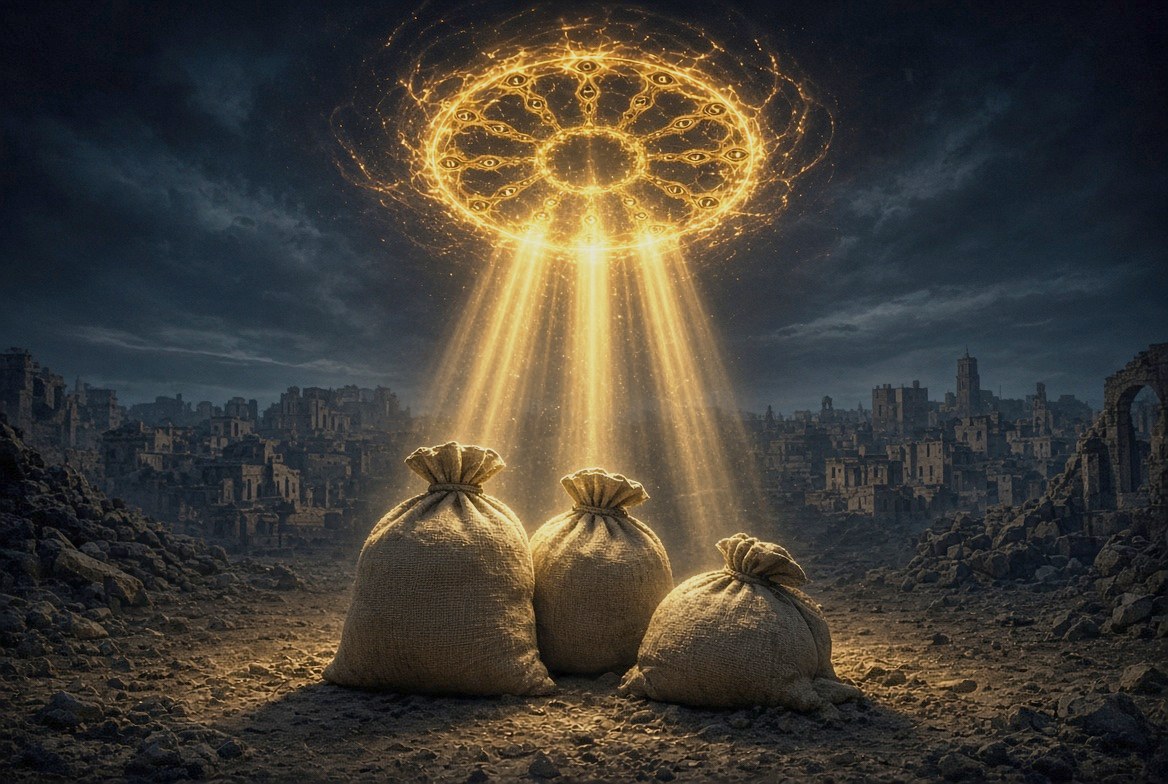
The Parable of the Talents Explained (2 of 26)
The third servant was not being prudent, and the master never confirms the charge against him. Why this parable is hard, and what Bailey, Wright and Snodgrass make of the hard parts.
Favorites
Timelines


Command Centers
Search and Lookup





Printables


