-

Piety in Secret and the Treasure Problem (7 of 9)
Giving, prayer and fasting, each with the same warning attached. What the reward already received means, and why the audience decides the nature of the act.
-
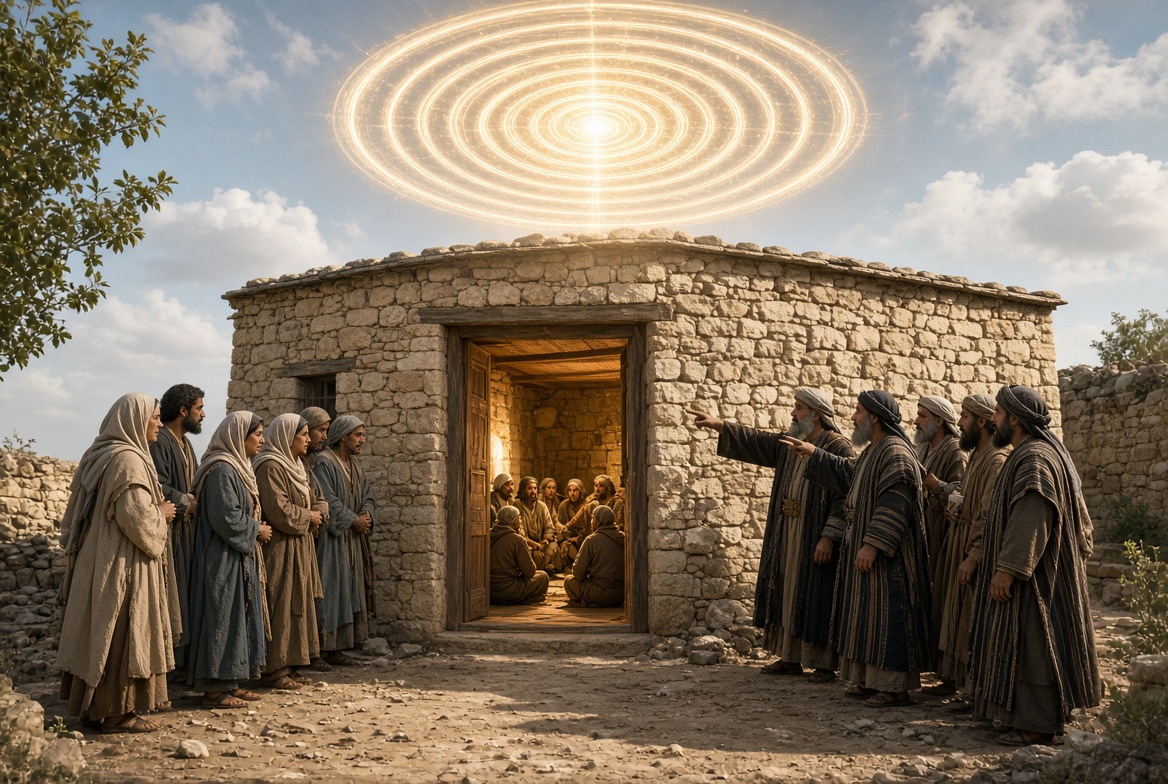
Beelzebul and Who Counts as Family (5 of 6)
His own relatives think he is out of his mind and the scribes think he is possessed. Mark puts the two verdicts in one scene, and the answer redefines family.
-
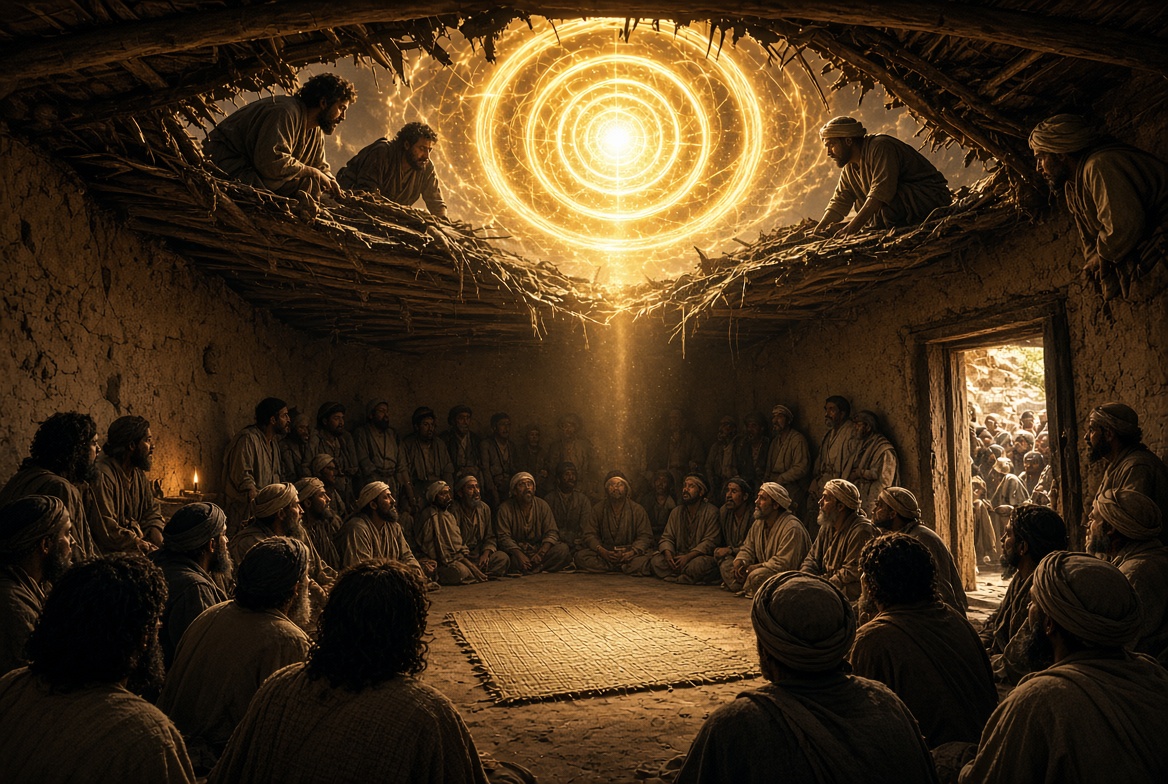
The Paralytic and the Authority to Forgive (3 of 6)
Four men dig through a roof, and it was probably Jesus's own. What he says to the man on the mat starts the argument that ends at the high priest's house.
-

The Calling of Levi and the Party That Followed (4 of 6)
He sat at a border post collecting a toll people remembered not having to pay. Who he actually worked for, and why the meal afterward caused the trouble.
-

The Yeast of the Pharisees and of Herod (6 of 6)
Two rival visions of the kingdom, both of them diluted, and the disciples think he is talking about sandwiches. What each party wanted God to do for them.
-

The Birth of Jesus and the Missing Stable (3 of 4)
There is no innkeeper in the text and no stable in it either. What the word means, what a peasant house looked like, and why the shepherds left them there.
-
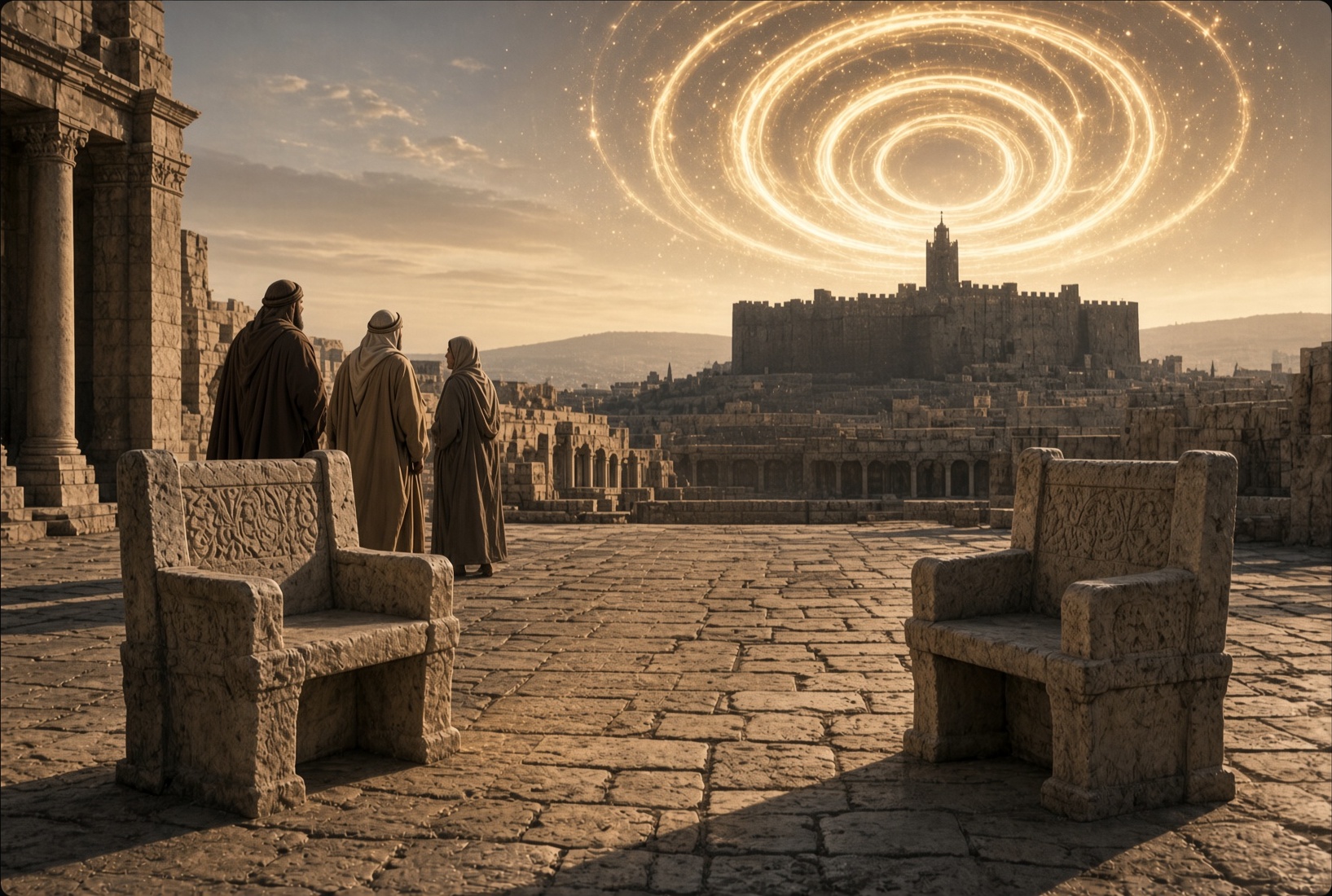
Herod, Simeon and Anna: The Brutal Frame (4 of 4)
The massacre is never read out at Christmas. Who Herod actually was, why Matthew chose to include it, and what an old man tells a young mother in the temple.
-

Salt, Light and Fulfilling the Law (5 of 9)
Not new metaphors. Israel was already called to be light to the nations, and Jesus is telling a specific people they are about to become what they were for.
-

Murder, Adultery and Oaths: The Hard Sayings (6 of 9)
You have heard it said, but I say to you. Six times, each going past the act to the thing behind it. Why that is not simply a stricter code than the law.
-

Do Not Judge: What the Warning Actually Says (8 of 9)
The most quoted verse in the sermon and the most misused. Wright reads the temptation to look down on others as a temptation to play God, which is acting.
Favorites
Timelines


Command Centers
Search and Lookup




Printables


