-

The Beatitudes: Blessed Is Not a Reward (1 of 9)
Read as a checklist they become nine conditions to satisfy. What the word actually describes, and why poor in spirit means something specific in Isaiah.
-

Jesus and Women: What Had Changed by His Day (4 of 4)
Ruth, Esther, Deborah and Judith were heroines in the older literature. By the first century the position had moved, and the movement is well documented.
-

The Woman at the Well and the Man With No Bucket (3 of 4)
He sits on the wellhead with no means of drawing water and opens by asking her for help. The longest conversation in the Gospels starts from a position of need.
-

The Syrophoenician Woman and the Hardest Line (2 of 4)
He calls her people dogs, and softening it does not help. Bailey reads the exchange as an exam given to a woman he expected to pass, with an audience in mind.
-
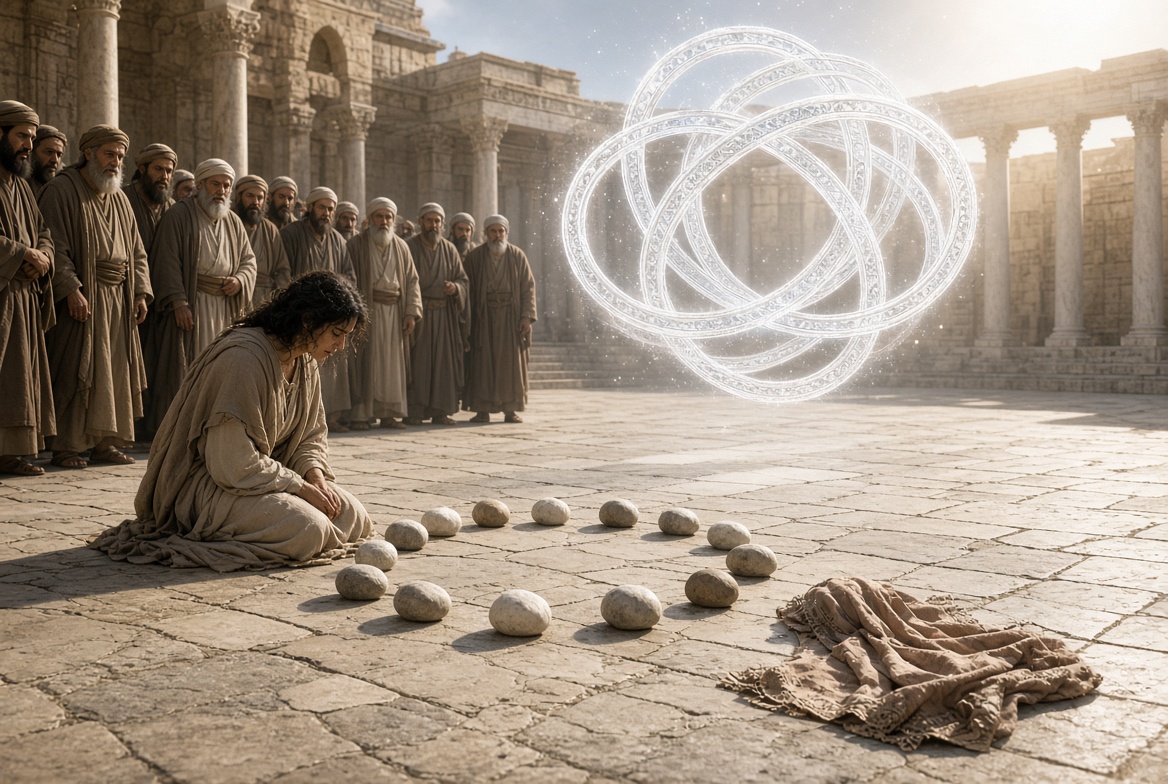
The Woman Caught in Adultery: Where Was the Man? (1 of 4)
The law they cite requires both parties, and they brought one. What the accusers were actually doing, and why the manuscript question does not settle it.
-

The Parable of the Weeds and Why God Waits (26 of 26)
The servants want to clear the field and the farmer stops them. Wright on why the weeds are inside Israel, and whether the church may ever do the weeding.
-

The Hidden Treasure and the Pearl of Great Price (25 of 26)
The man hides what he found and buys the field without telling the owner, which is not obviously honest. Why the awkwardness is worth facing rather than fixing.
-

The Mustard Seed and the Yeast Explained (24 of 26)
A mustard bush is not the cedar Ezekiel promised, and yeast is an image of corruption everywhere else. Both parables pick the wrong thing deliberately.
-

The Parable of the Sower and the Four Soils (23 of 26)
The one parable Jesus explains. What the soils mean, Wright's reading of it as Israel's return from exile, and three answers to why he quotes Isaiah 6.
-

The Good Shepherd: A Claim to Be King (22 of 26)
Shepherd language in the Bible is royal language, so this is not a picture of gentleness. It is a claim to the throne, made against named rival claimants.
Favorites
Timelines


Command Centers


Search and Lookup





Printables


