-

Piety in Secret and the Treasure Problem (7 of 9)
Giving, prayer and fasting, each with the same warning attached. What the reward already received means, and why the audience decides the nature of the act.
-
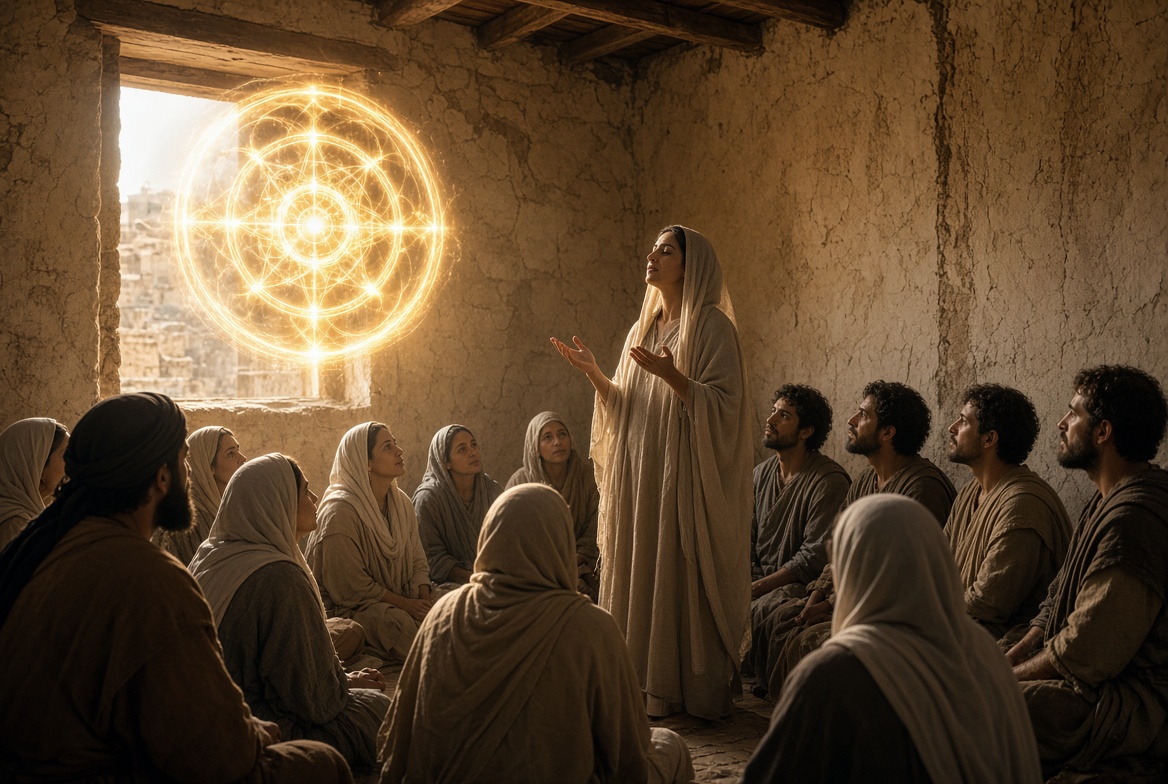
Why Did Paul Tell Women to Cover Their Heads? (11 of 12)
The passage argues from nature and then seems to contradict itself. One striking proposal about a single Greek word, and what is worth keeping from it.
-
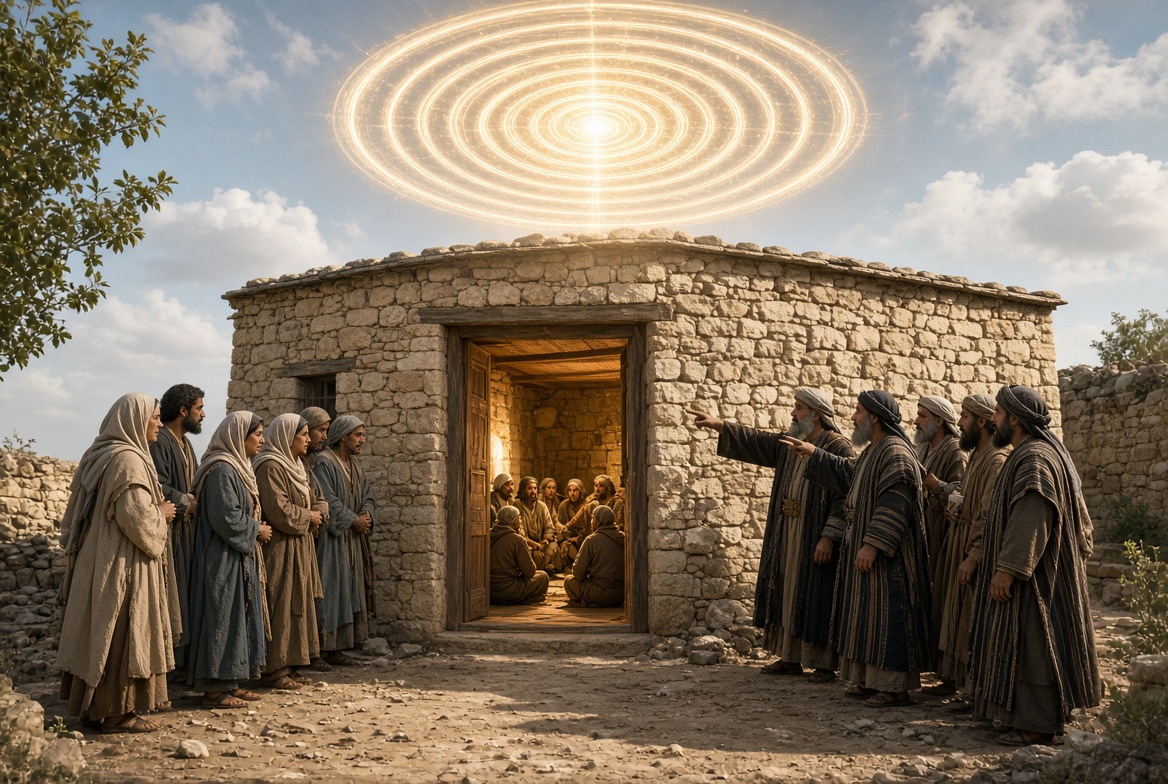
Beelzebul and Who Counts as Family (5 of 6)
His own relatives think he is out of his mind and the scribes think he is possessed. Mark puts the two verdicts in one scene, and the answer redefines family.
-
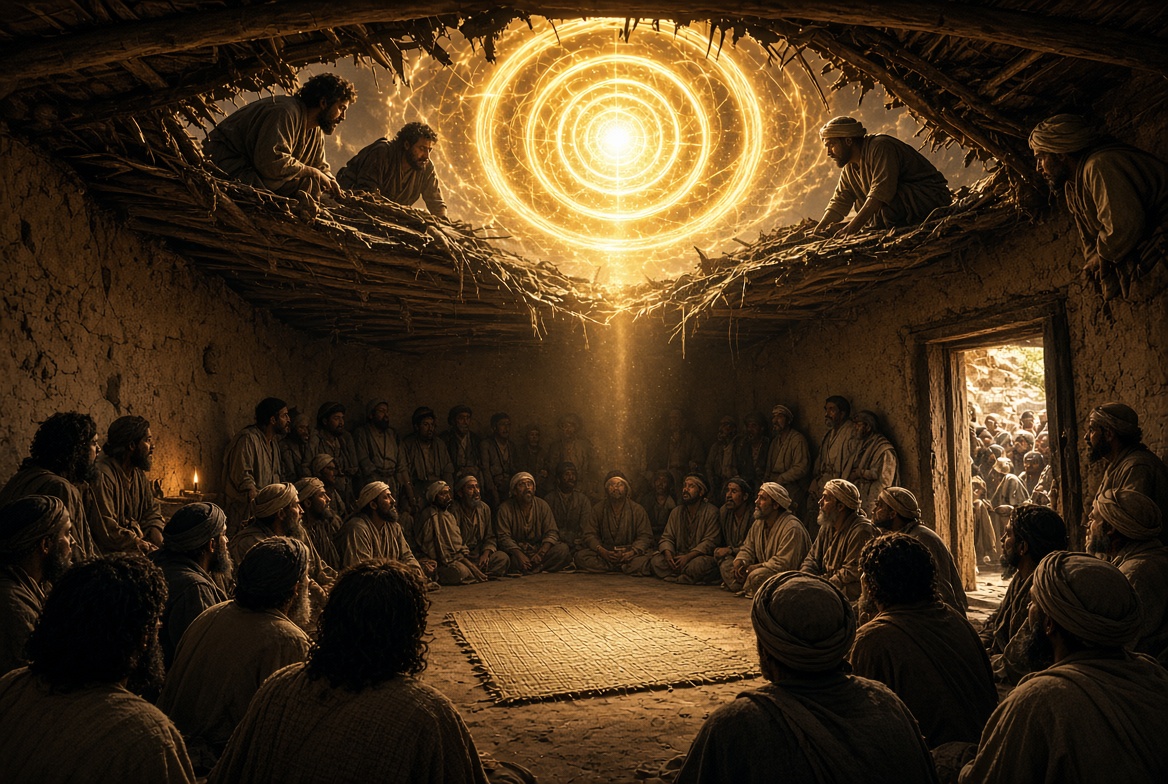
The Paralytic and the Authority to Forgive (3 of 6)
Four men dig through a roof, and it was probably Jesus's own. What he says to the man on the mat starts the argument that ends at the high priest's house.
-

The Calling of Levi and the Party That Followed (4 of 6)
He sat at a border post collecting a toll people remembered not having to pay. Who he actually worked for, and why the meal afterward caused the trouble.
-

The Yeast of the Pharisees and of Herod (6 of 6)
Two rival visions of the kingdom, both of them diluted, and the disciples think he is talking about sandwiches. What each party wanted God to do for them.
-

The Birth of Jesus and the Missing Stable (3 of 4)
There is no innkeeper in the text and no stable in it either. What the word means, what a peasant house looked like, and why the shepherds left them there.
-

Herod, Simeon and Anna: The Brutal Frame (4 of 4)
The massacre is never read out at Christmas. Who Herod actually was, why Matthew chose to include it, and what an old man tells a young mother in the temple.
-

What Was Paul’s Thorn in the Flesh? (9 of 12)
Everyone assumes an illness. The phrase comes from the Old Testament and there it always means people, and Paul calls it a messenger rather than a condition.
-

Does Paul Forbid Women to Teach or Preach? (10 of 12)
One verse set against a great deal of counter-evidence in the same author. What Ephesus was, what the rare Greek verb means, and why the setting matters.
Favorites
Timelines


Command Centers

Search and Lookup


Printables


